
Dry year: Green electricity covered only 78 percent in 2025
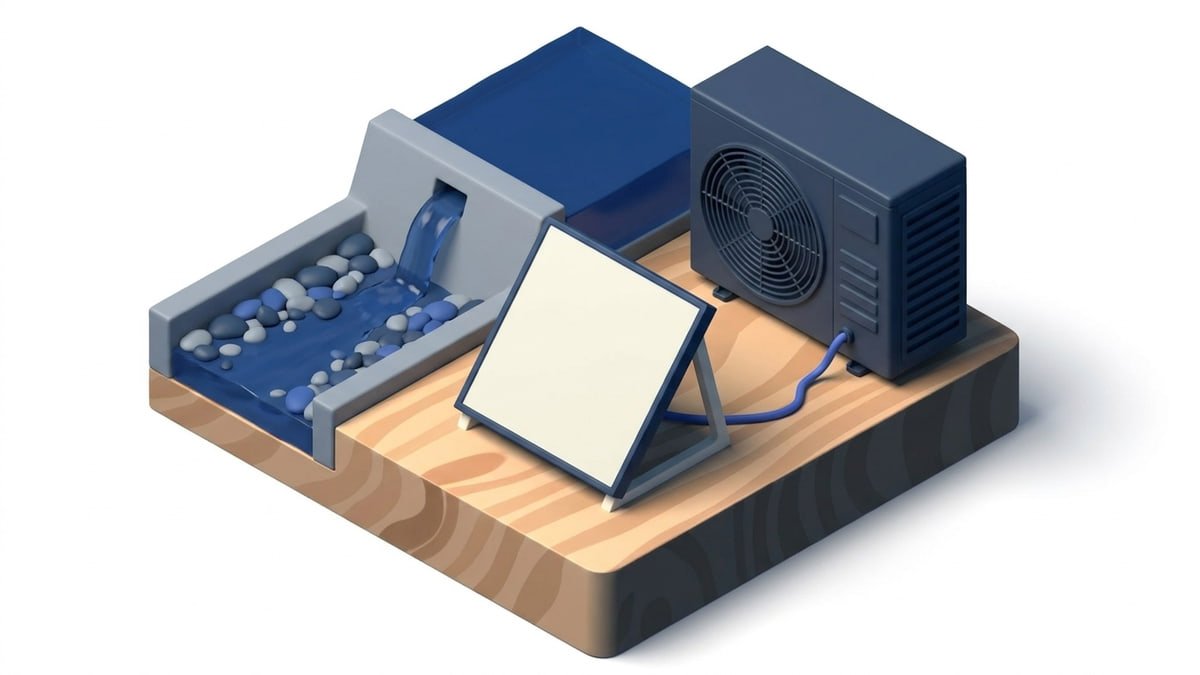
Austria covered 78 percent of its electricity consumption in 2025 with renewable generation. This is stated in the current EAG monitoring report by E-Control, which evaluates the reporting year 2025. The main reason for the decline is the weather: the rivers carried little water, and hydropower slumped by around a quarter. Anyone who operates or is planning a heat pump therefore does not need to reassess anything. However, the figures show clearly where the electricity comes from and where you can take action yourself.
What shifted in 2025
According to data from E-Control (the Austrian energy regulator), domestic hydropower plants supplied a total of 37.085 GWh in 2025. The year before, it was 49.391 GWh, which is a drop of almost 25 percent. Run-of-river power plants were hit hardest, generating their lowest output since 2020. Wind also produced slightly less, namely 8.578 instead of 9.261 GWh.
Gas power plants filled part of the gap. Their electricity generation grew by a good quarter to 9.538 GWh. On the other hand, photovoltaics increased significantly: they reached 9.809 GWh, an increase of 28 percent. For the construction of new renewable power plants, PV was the clear driver in 2025, with 1.603 MW of additional capacity.
This does not change the legal target. By 2030, Austria is supposed to generate as much green electricity over the year as it consumes.
What this means for your heat pump
A weak year for hydropower does not change the basic calculation. The heat pump extracts most of its heating energy from the air, ground or groundwater; it only needs electricity to run. Even in the dry year of 2025, more than three quarters of this electricity came from renewable sources. An oil or gas heating system, on the other hand, burns exclusively fossil fuels every year.
How much heat your system produces from one kilowatt hour of electricity depends on the house, the flow temperature and the planning. You can run through this for your building with our heat pump calculator.
Grid costs weigh more heavily
The report also calculates the electricity bill of a model household in Vienna with 3.500 kWh per year. In January 2025, the energy price there was actually slightly lower than a year earlier at 16,13 cents per kWh. The grid price, however, rose from 7,94 to 10,22 cents, and taxes and duties from 1,47 to 3,05 cents. A household with a heat pump consumes significantly more electricity, so it feels these items correspondingly more. You cannot influence the grid price by changing suppliers; it depends on the grid operator. This makes it all the more important that the system runs economically.
What you can do specifically
- Have the heating curve checked: The lower the flow temperature, the less electricity the heat pump needs for the same amount of heat.
- Consider PV: If you have or are planning a photovoltaic system, you can have hot water prepared preferably when the sun is shining.
- Choose your electricity tariff consciously: With the supplier, the energy price and the origin of the electricity count; with the grid, you have no choice.
- Have it planned well: A correctly sized system saves more over the years than any change of tariff. Via our request for quotes, you will receive quotes from installers in your region.
AO
Sources
- E-Control: EAG-Monitoringbericht 2026 (Reporting year 2025), PDF — accessed on 30 September 2026
- E-Control: Overview of EAG-Monitoringberichte — accessed on 30 September 2026
We state facts in our own words and link to the source. The mentioned authority itself is always legally binding — public subsidy conditions can change at short notice.